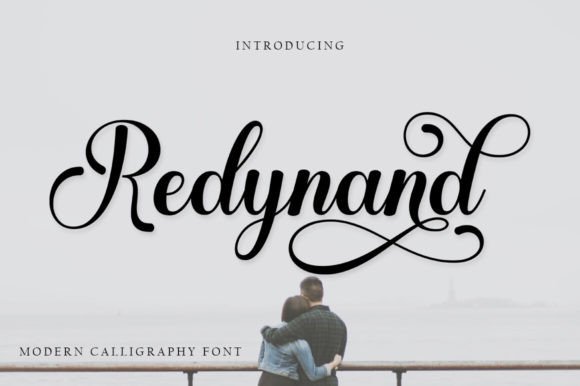
Redynand Font: Elegant Script for Web Design
As a web designer, I always look for fonts that bring personality to a site while maintaining clarity and usability. Redynand is one such typeface that blends softness with boldness, making it ideal for digital projects that need a touch of elegance without sacrificing readability.
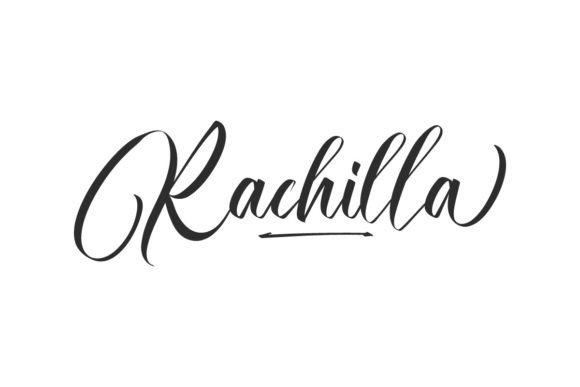
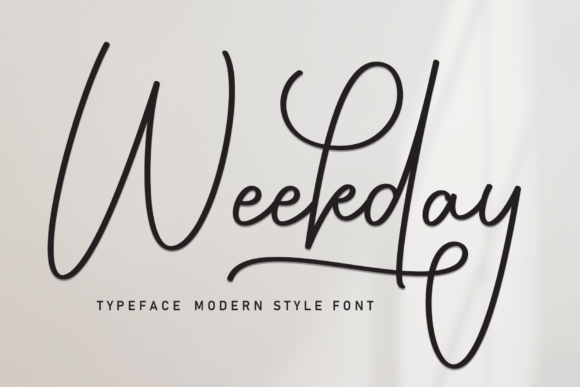
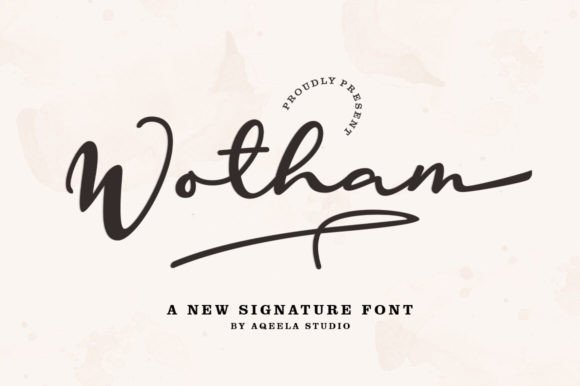
Redynand Script is a bold script font with a casual yet refined aesthetic. Its characters flow smoothly along the baseline, creating a sense of movement and grace. This makes it perfect for headings, logos, and decorative elements where visual appeal matters.
Visual Characteristics and Digital Appeal
Redynand has a unique personality that feels both modern and timeless. Its fluid strokes and subtle flourishes give it a handwritten feel, which can add warmth to digital interfaces. The font’s balance between structure and spontaneity makes it versatile across different design contexts.
When used in web design, Redynand can enhance the visual rhythm of a layout. It works well as a display font for headlines, especially when paired with simpler typefaces for body text. This contrast helps guide users through content while maintaining a cohesive look.
Applications in Web Design and Branding
Redynand is highly effective in headers, hero sections, and call-to-action buttons. Its bold presence commands attention without overwhelming the user. For example, on a creative portfolio site, using Redynand for project titles can make each section stand out while keeping the overall design clean.
Online stores benefit from Redynand in banners and product headings. A boutique shop might use it for a "Limited Edition" label or a "New Arrivals" banner, adding a personal and exclusive feel to the shopping experience.
For coaching websites or course sales pages, Redynand can be used in section headings to emphasize key messages. It adds a professional yet approachable tone, which is crucial for building trust with potential clients or students.
Readability and User Experience
While Redynand is a script font, it maintains good legibility at larger sizes. However, it's best suited for short phrases rather than long paragraphs. When used in small text, such as on mobile buttons or dark backgrounds, it may become harder to read. Testing different sizes and colors is essential to ensure clarity.
On responsive layouts, Redynand performs well when scaled appropriately. It adapts to various screen sizes without losing its character, making it suitable for both desktop and mobile views. For image overlays, using a lighter version of the font can improve visibility against busy backgrounds.
Font Pairing and Design Balance
Pairing Redynand with a simple sans serif or serif font creates a balanced typographic hierarchy. For instance, using a clean sans serif like Open Sans for body text complements Redynand’s ornate style, ensuring the design remains readable and professional.
In editorial designs, such as blog headers or magazine-style layouts, Redynand can be used alongside a serif font for a more traditional feel. This combination enhances the overall aesthetic while maintaining a structured layout.
Practical Use Cases
Redynand is ideal for logo design, where a custom look is needed. Its flowing lines can represent creativity, making it a strong choice for brands in the arts, fashion, or lifestyle industries. For social media graphics, it adds a stylish touch that aligns with brand identity.
On a product landing page, Redynand can highlight key selling points. A phrase like "Experience the Difference" in this font draws attention and reinforces the brand’s message. It also works well in digital ads, where visual impact is critical.
Commercial Licensing and File Formats
When using Redynand for commercial projects, it's important to check the licensing terms. Most premium fonts include webfont availability, allowing for seamless integration into websites and digital assets. Ensure the license covers all intended uses, including client projects and online stores.
Redynand typically comes in multiple weights and styles, offering flexibility for different design needs. Some versions may include alternate characters or ligatures, which can be useful for customizing the font’s appearance. Multilingual support is also a consideration if the design targets international audiences.
Conclusion
Redynand is a versatile script font that brings a soft, elegant touch to web design. Its ability to enhance visual hierarchy and brand tone makes it a valuable asset for designers looking to create engaging digital experiences. Whether used in headers, logos, or decorative elements, it offers a balance of style and functionality that supports both aesthetics and usability.